

Puerto Ayora, Galápagos
World Natural Heritage since 1978, one of the first twelve sites on the List
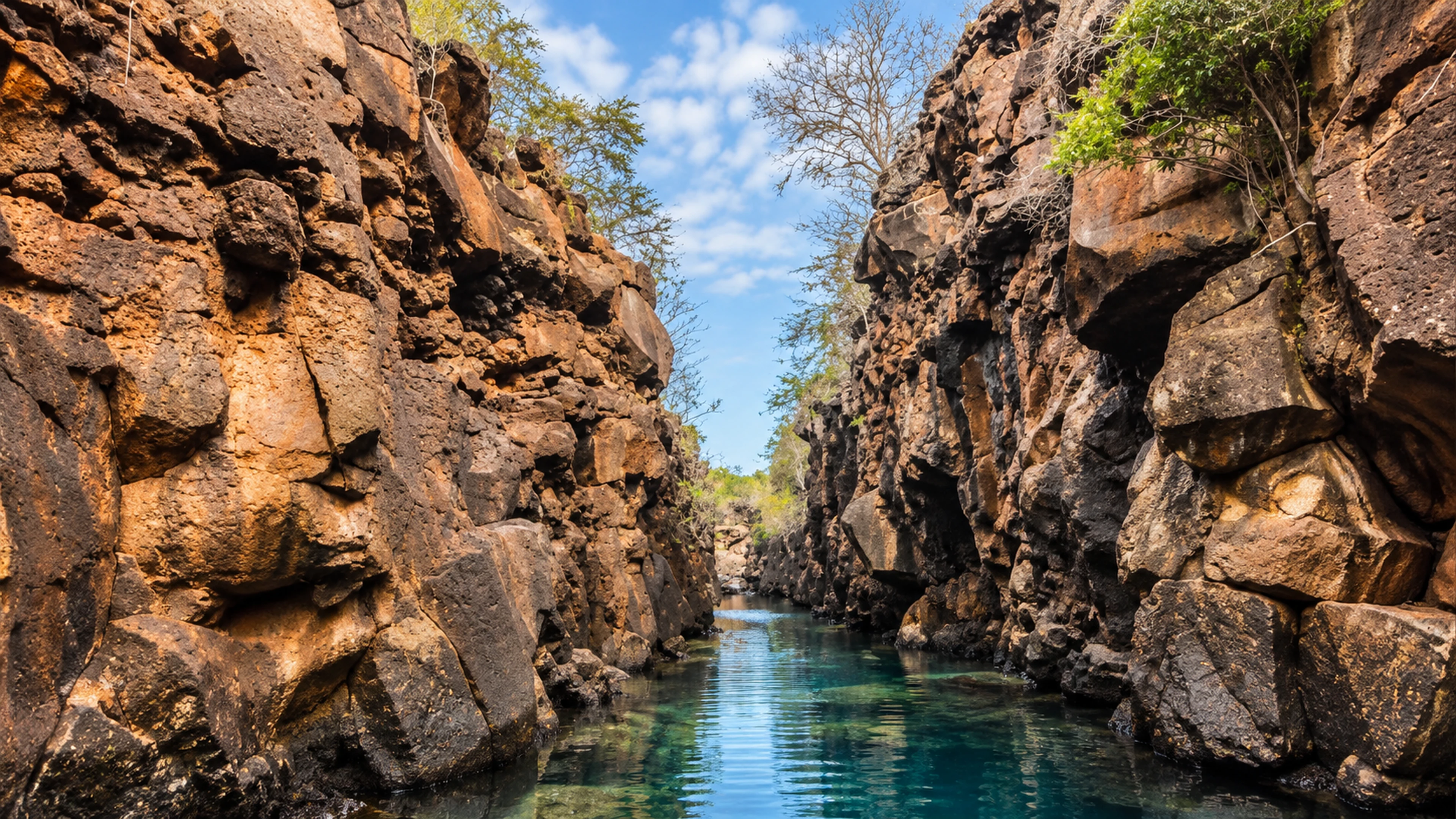
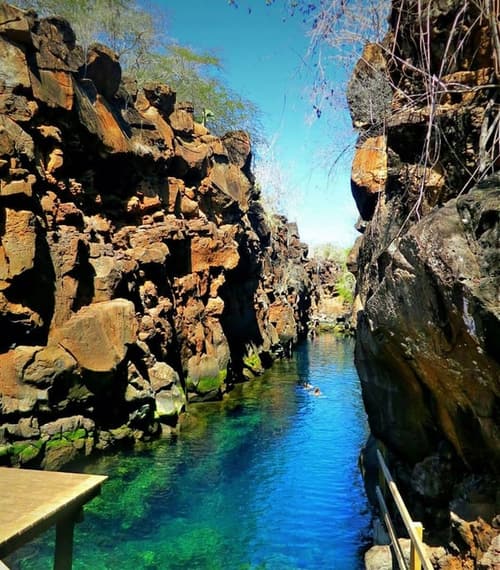
Puerto Ayora, eighteen thousand residents on Academy Bay, is the largest settlement in Galápagos and the walkable base of Santa Cruz island. At Las Grietas, rainwater filtered through volcanic rock floats on top of seawater: the line where the two part, the halocline, is visible to the naked eye.
What you will see
Las Grietas
Ten metres of turquoise water in a volcanic fissure: water taxi, twenty minutes on foot, 10 USD including a guide.
Tortuga Bay
A paved 2.4-kilometre trail, free of charge, open 06:00 to 18:00, with compulsory sign-in at the ranger hut.
The Pier and the Darwin Station
Pelicans and sea lions wait for the fish market’s offcuts; the Charles Darwin Station is free to enter.
Wildlife & flora
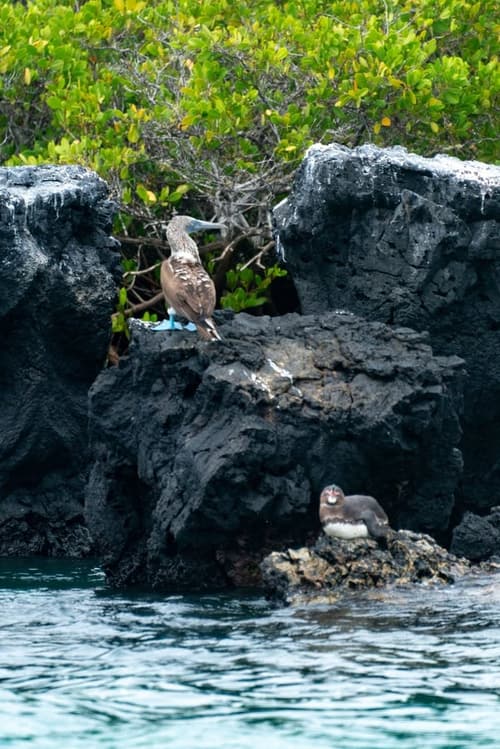
A large marine iguana colony occupies Tortuga Bay, with whitetip reef sharks in the shallows, brown pelicans and blue-footed boobies. Green turtles nest on Playa Brava between January and March, while Playa Mansa lies sheltered behind mangrove. The trail runs through giant Opuntia echios cactus. Off the town, Caamaño islet is visited only by boat, on the Bay Tour.
From our own visits
Puerto Ayora is very quiet, but it comes into its own as the evening falls. There is craft beer in town, such as Reptilia Galápagos Brewery, and places where the people who live on the island go out, like Bongo Bar and La Panga; we recommend those over anywhere built only for visitors. If you travel on to Isabela, the Isabela Sunset Bar has the best sunset. Inter-island ferries connect Santa Cruz with Isabela and San Cristóbal. And the fish market on the pier, where pelicans and sea lions wait for the scraps, happens every day and costs nothing.
What you should know
National Park entry costs 200 USD per foreign adult as of August 2024, plus 20 USD in cash for the Transit Control Card, bought in Quito or Guayaquil before boarding; neither is included in the package price. Rates current as of September 2026. The trail to Tortuga Bay has no shade and the equatorial sun falls straight down.
Expeditions that take you here
Read more about this destination
Live Galapagos: Evolution Sanctuary & Iconic Islands
UNESCO World Heritage site with 2,900+ marine species. Discover giant tortoises in the highlands, Kicker Rock snorkeling, and essential insider tips.
9 min read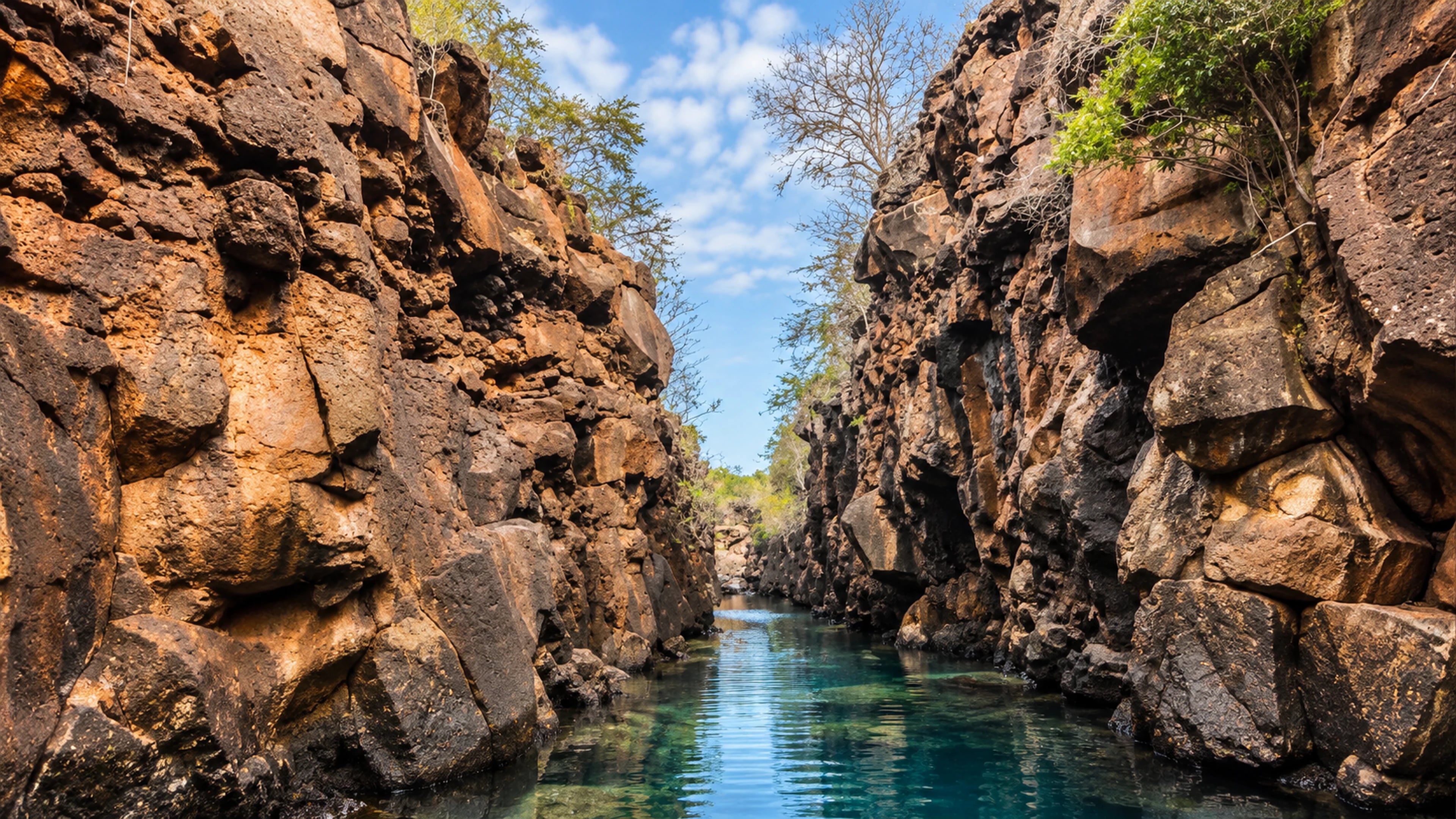
Galapagos Island Hopping vs. Luxury Cruise: 2026 Comparison
The definitive guide comparing land-based island hopping tours with liveaboard cruises in the Galapagos Islands. Discover costs, pros, and cons.
9 min read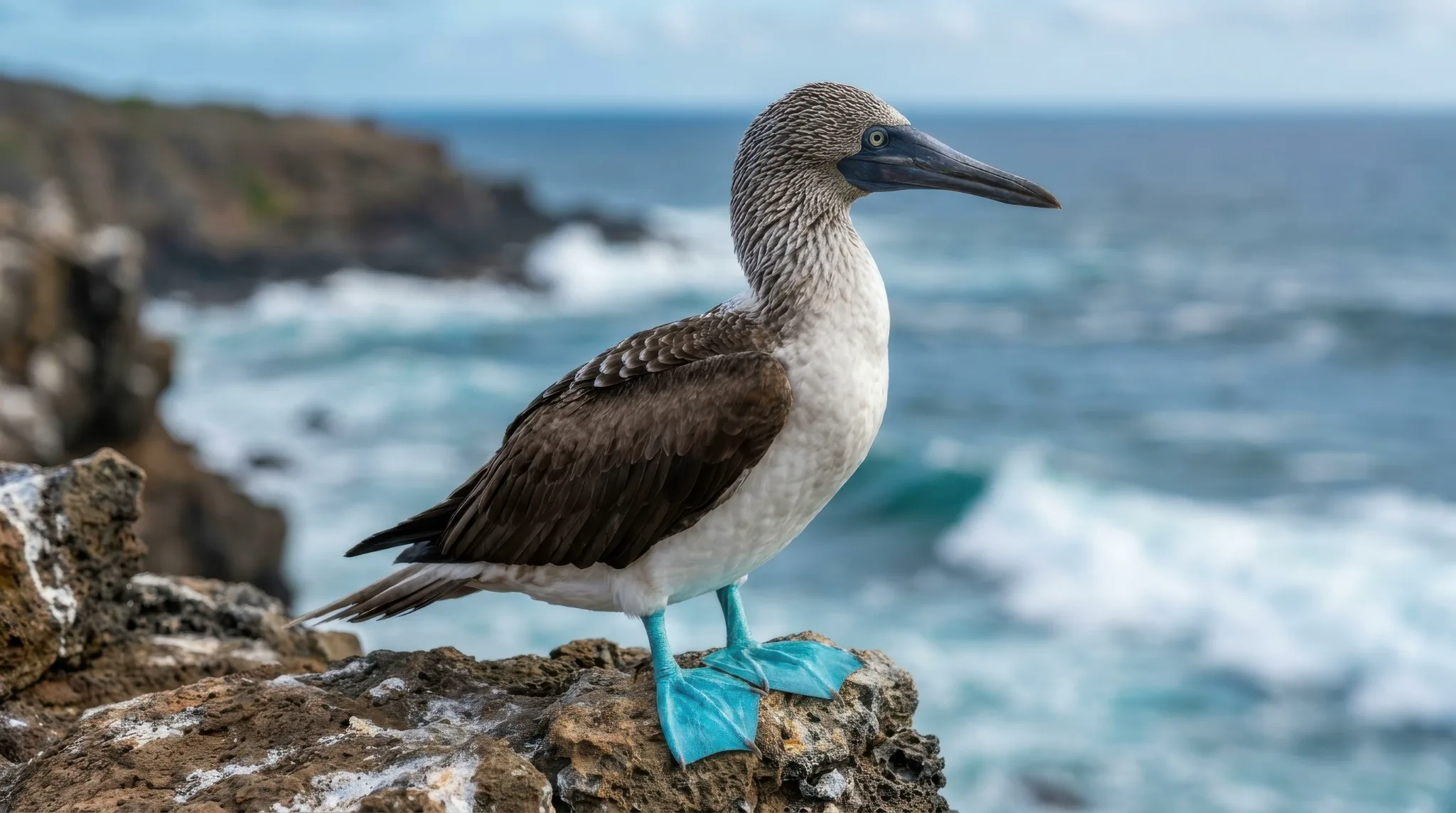
Best Time to Visit Galapagos: Month-by-Month Wildlife Calendar
There is no off-season in the Galapagos. Learn the pros and cons of the Warm Season (Dec–May) vs. the Cool Garúa Season (Jun–Nov).
8 min read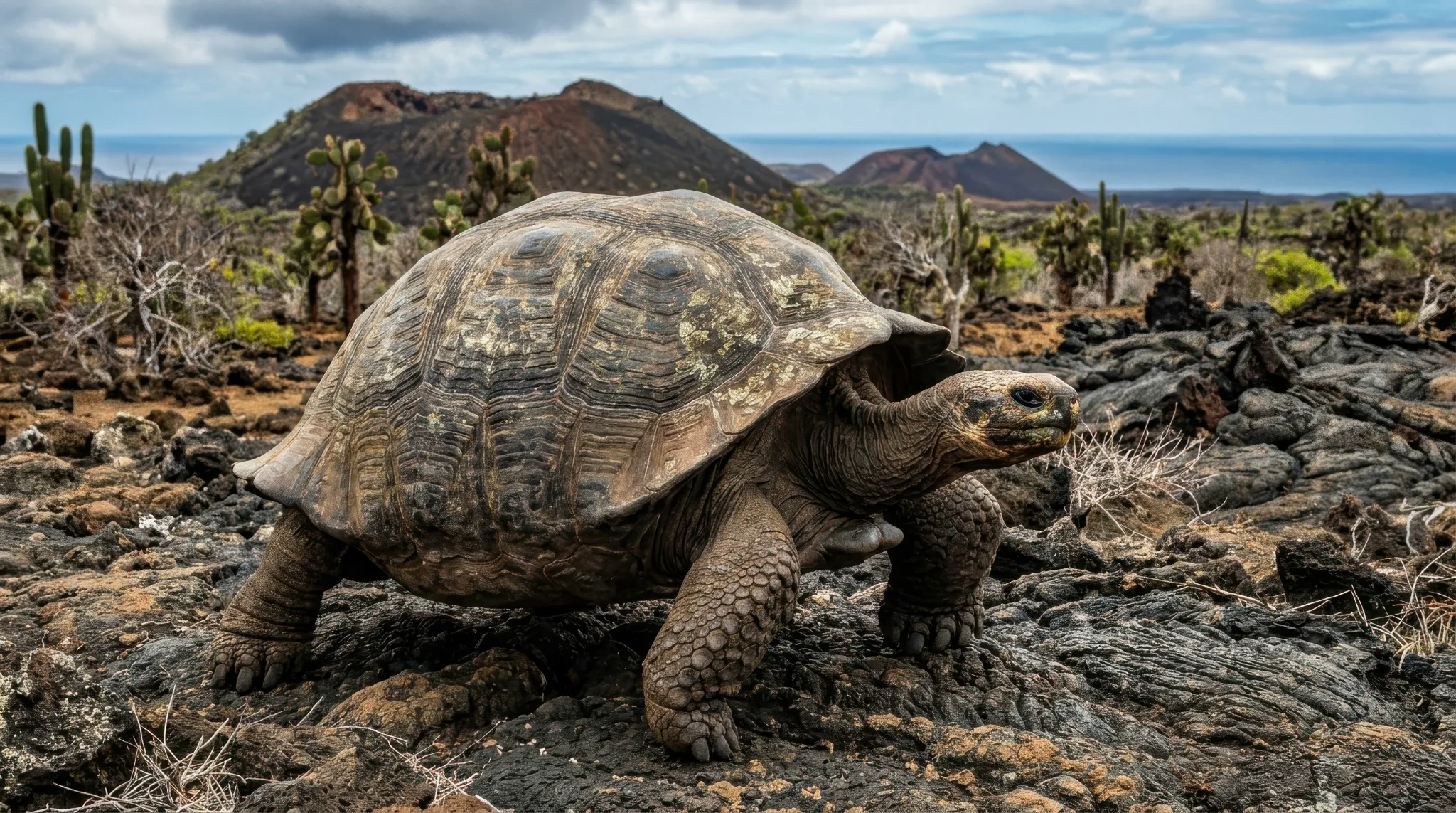
Galapagos Packing List & Quito Flights: 2026 Logistics Guide
The definitive pre-departure checklist for Galapagos travelers. Master flight transfers in Quito, biosecurity screening, and essential gear.
8 min read