
The village of Papallacta sits at 3,300 metres, and the hot springs are about three kilometres further up, inside Cayambe-Coca National Park. The water surfaces at between 30 and 70 °C from the geothermal system of the Chacana caldera, in the Antisana massif, and is tempered with cold water from the feeder streams until it reaches bathing temperature.
What you will see
The thermal pools
Open-air pools at the Termas de Papallacta complex, tempered to different temperatures and looking out over the páramo.
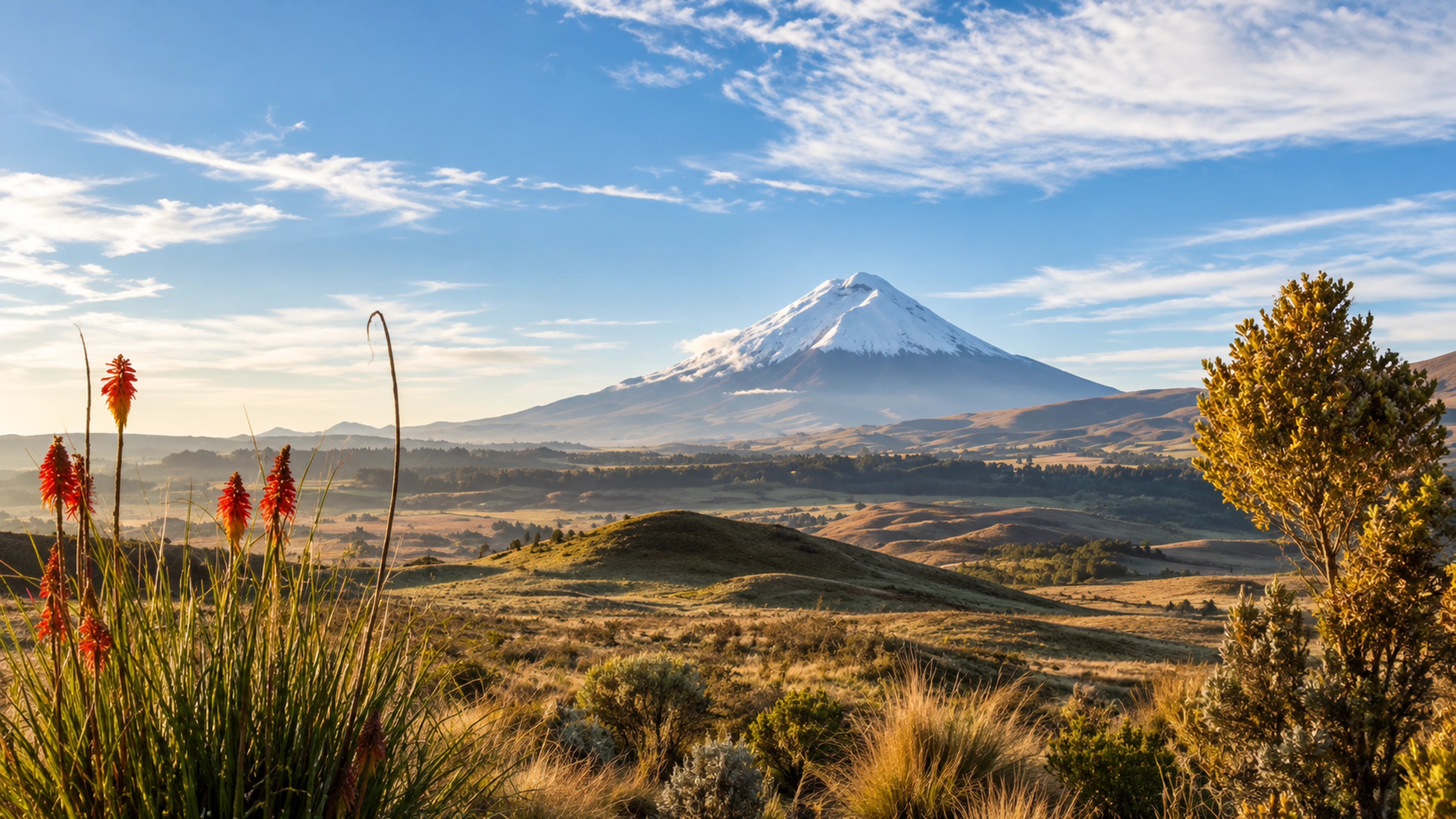
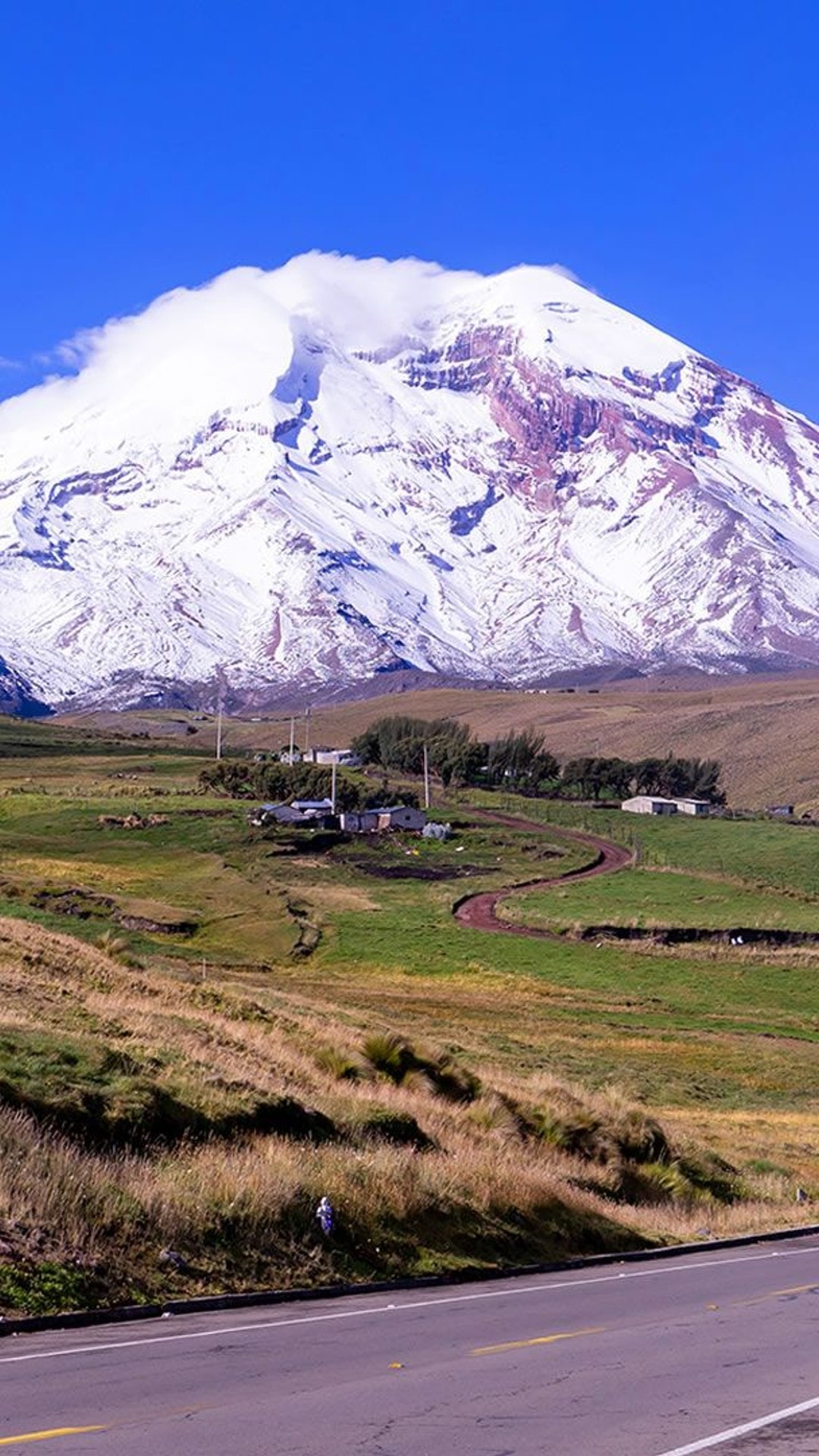
The high pass and the páramo
The Interoceánica E20 road crosses the Papallacta pass at around 4,095 metres, among tussock grass and frailejones.
The local table and the trout
Trout farming is a real local trade, and there is sport fishing on the Tuminguina and Potrerillos lakes.
Wildlife & flora
Spectacled bear, Andean condor, white-tailed deer, páramo wolf and carunculated caracara, among tussock grass, cushion plants and frailejones (Espeletia pycnophylla).
From our own visits
The cold of the climb makes the hot water twice as good, and the road up there is one of the prettiest in the country, crossing the páramo. We recommend staying for lunch: caldo de gallina, fresh cheese with corn and above all the trout, which here comes from Andean farms. Rainbow trout shares a genus with Pacific salmon, so calling it the salmon’s first cousin holds up, and it is a good source of protein and omega-3. This is the destination we recommend to anyone after a day of rest for the body, not effort.
What you should know
At 3,300 metres the body feels the altitude, and the contrast between hot water and cold air is strong: drink water and do not string together too many hours of soaking. Páramo weather shifts fast, with mist and drizzle, so bring a warm layer even if you came to bathe.