

Best Time to Visit Ecuador: A Guide by Region
Four ecosystems, four climates — Andes, Amazon, Pacific Coast, and Galápagos. When to go, what to expect, and how to plan the perfect Ecuador itinerary.

Jhayro Ludeña
Lead Naturalist & Head of Expedition Design
Ecuador: A Year-Round Destination with Four Distinct Climates
Ecuador may be the smallest country in South America, but it packs the biodiversity of an entire continent into a territory barely larger than Nevada. The reason is geography: the equatorial Andes divide the country into four fundamentally different ecosystems — the Sierra (highlands), the Oriente (Amazon), the Costa (Pacific lowlands), and the unique Archipiélago de Colón, better known as the Galápagos Islands.
Each region follows its own calendar. That means the question "when is the best time to visit Ecuador?" doesn't have one answer — it has four. And the good news is that every region is accessible year-round, so the right timing depends on your priorities, not on a narrow travel window.
The Andes: July and August for Clear Skies and Peak Views
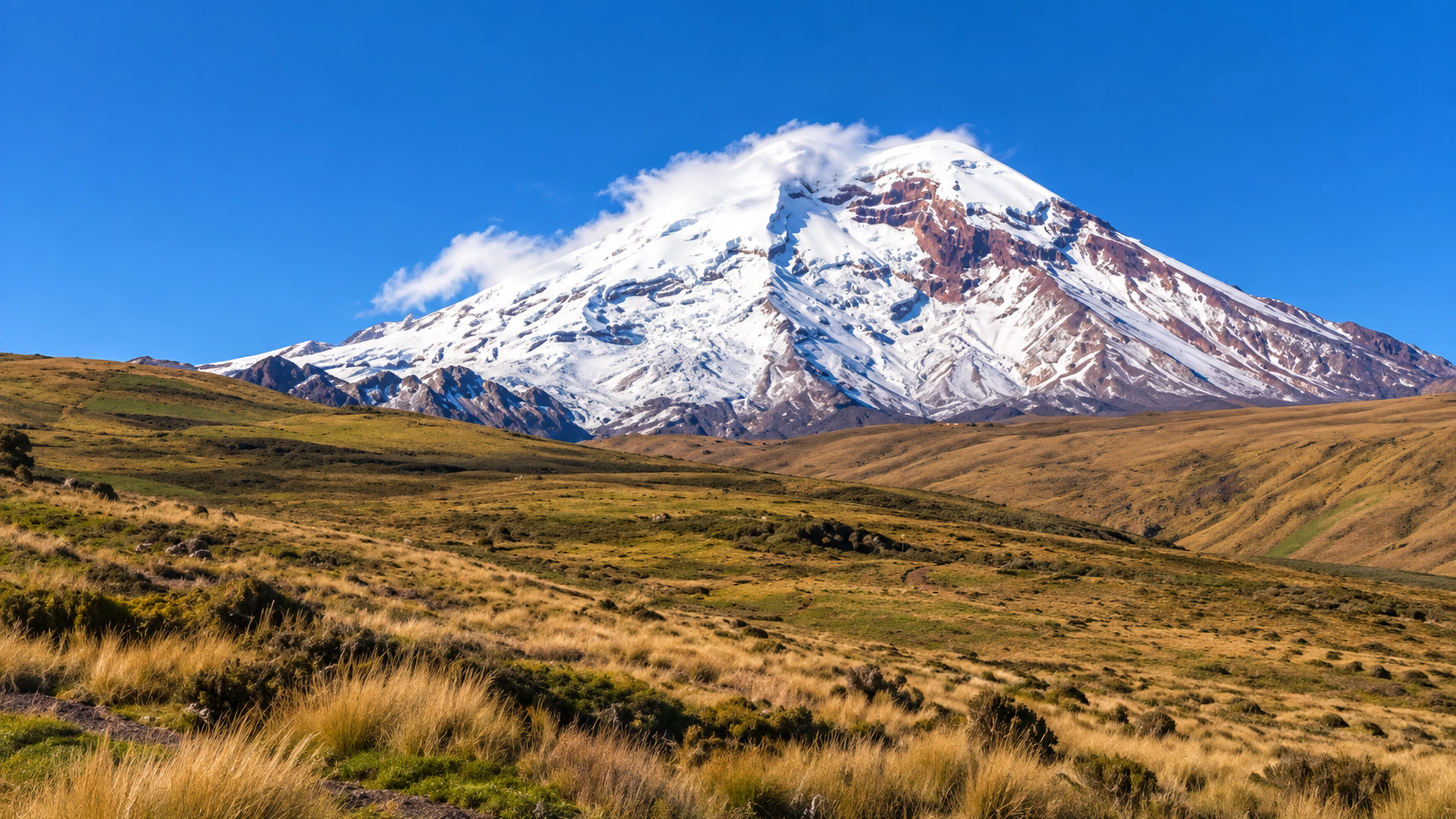
The Ecuadorian highlands run north to south along the Andes spine between 2,000 and 4,500 meters above sea level. Quito (2,850 m), Otavalo, Cotopaxi, the Quilotoa crater lake, Chimborazo, and Cuenca all sit within this corridor.
The Dry Season (June–August): Sierra Verano
July and August are the golden months for the Andes. Known locally as the verano serrano (highland summer), this is Ecuador's most reliably dry period. Skies above Quito are cobalt blue. The Cotopaxi glacier reflects sharply. The Quilotoa crater lake mirrors the clouds without a ripple. Temperatures swing between 7°C at night and 22°C at midday.
This is also the season for highland festivals. The Inti Raymi sun festival (June 21) in Otavalo is one of the most vibrant indigenous celebrations in South America, with costumed processions, traditional music, and communal feasting lasting for days.
The Wet Season (September–May): Sierra Invierno
The rest of the year is the invierno serrano — wetter, with daily afternoon rain patterns. That said, mornings are typically clear and trails are navigable. The benefit of visiting in the green season is lush páramo vegetation, fuller waterfalls, and significantly lower hotel rates. December is a beautiful time in Quito for its blend of colonial Christmas decorations and clear festive skies.
Key Andean Destinations
- Quito — UNESCO World Heritage colonial center, year-round; best light July–August
- Otavalo — famous Saturday market; festivals peak in June–August
- Cotopaxi National Park — summit views best in July–August
- Quilotoa Loop — crater lake and highland villages, any month; driest July–August
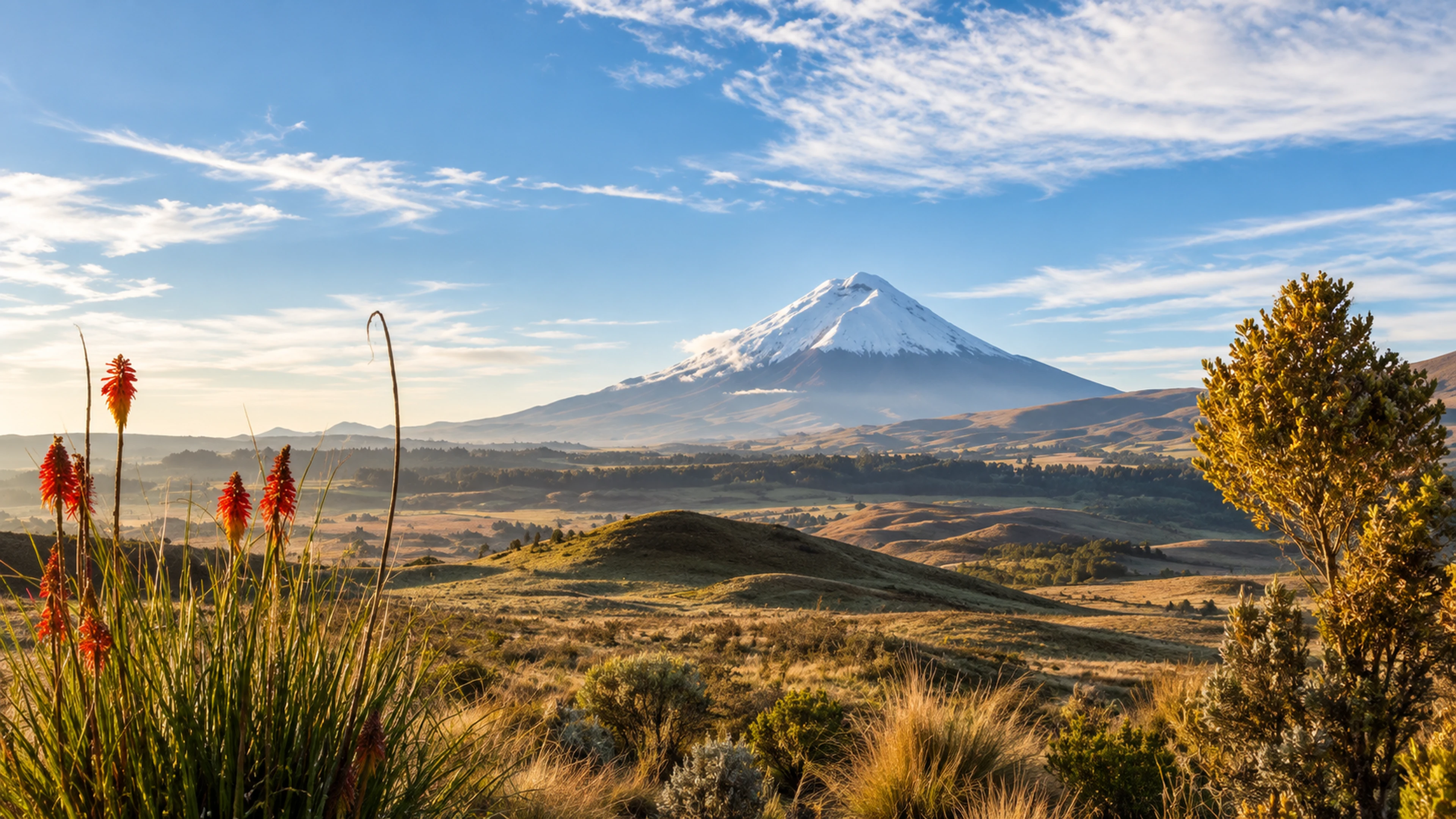 Cotopaxi Volcano Viewed from the Andean Páramo
Explore this landmark on our bespoke itineraries featuring private transfers and certified bilingual naturalists.
The Amazon: Exceptional Wildlife Every Single Month
The Oriente — Ecuador's Amazon basin — receives over 2,500 mm of rainfall per year. That's the nature of a rainforest: it rains regularly, and that is precisely what powers the extraordinary biodiversity.
Why There Is No "Bad Season" in the Amazon
Rain in the Amazon is not a reason to stay away — it's a feature. Brief daily downpours (usually in the afternoon) last 30–60 minutes, then skies clear. The river system, the canopy, and the wetlands remain fully operational year-round for wildlife encounters.
In the dry months (June–October), water levels recede and wildlife concentrates around remaining pools and river beaches. This is prime time for spotting giant river otters, tapirs, and capybaras at water's edge.
In the wet months (February–April), the forest floods and you can paddle by canoe directly beneath the forest canopy — a surreal and magical experience that only exists in this high-water period. Pink river dolphins venture further into flooded igapó forests.
Year-Round Amazon Highlights
- Yasuní National Park and Cuyabeno Wildlife Reserve — the most biodiverse place on Earth
- Pink river dolphins (Inia geoffrensis) — present all year
- 600+ bird species including scarlet macaws, harpy eagles, and toucans
- Indigenous community visits — Cofán, Siona, Secoya, Waorani nationalities
- Canopy observation towers — sunrise above the treetops is stunning any month
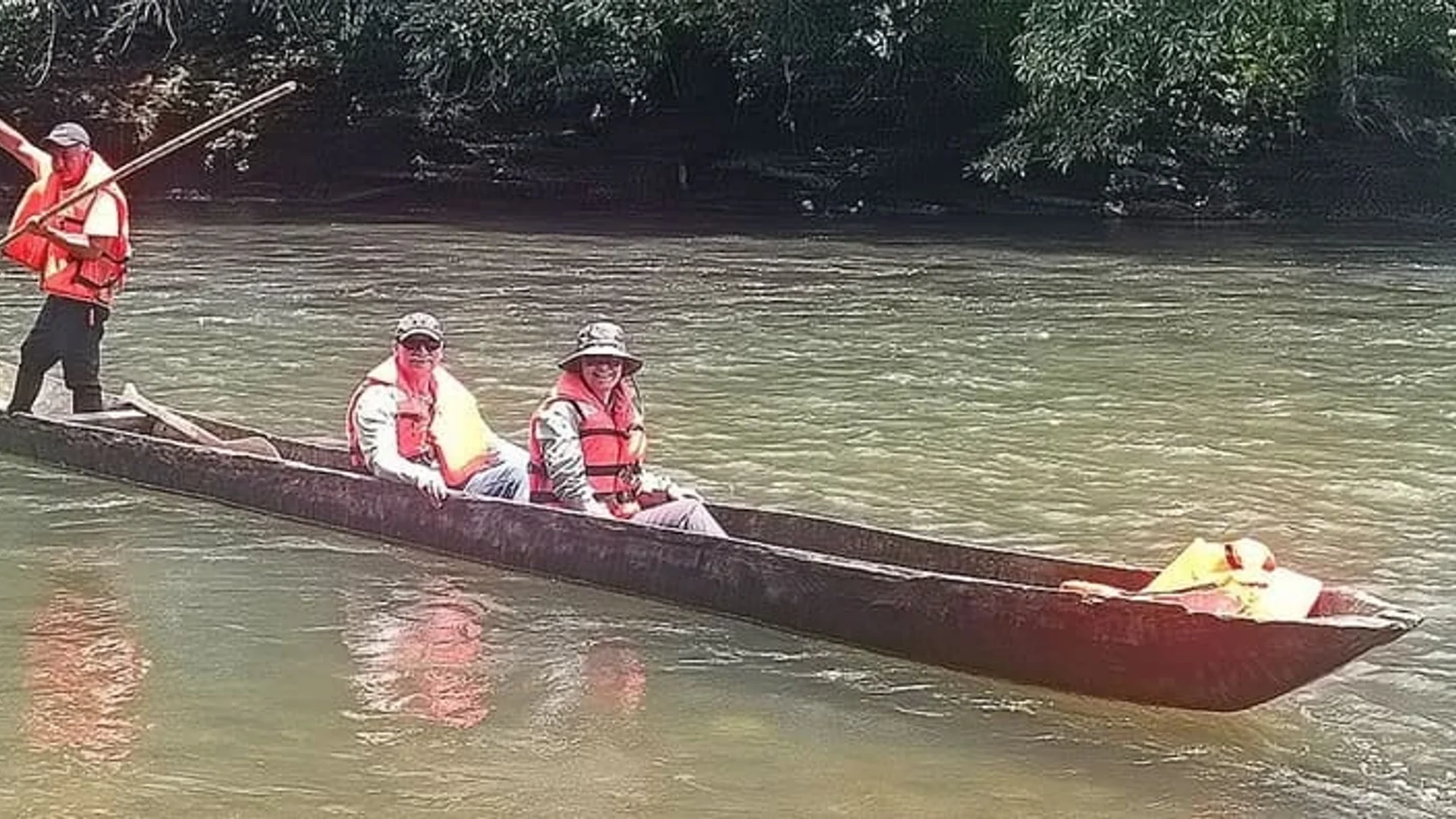 Amazon Rainforest Biodiversity & Pink River Dolphins in Cuyabeno
Explore this landmark on our bespoke itineraries featuring private transfers and certified bilingual naturalists.
Explore our Amazon expeditions →↗
The Pacific Coast: Dry Season for Beaches and Whale Watching
Ecuador's Pacific coastline stretches 2,237 km from Colombia to Peru, encompassing everything from party surf towns (Montañita) to whale-watching hotspots (Puerto López) to mangrove-fringed nature reserves (Machalilla National Park).
The Dry Season (June–November): Best for Beaches
From June to November, the Humboldt Current brings cooler, drier air to the coast. This is beach season: low humidity, calm seas, and consistent morning sun. The water temperature drops slightly (21–24°C), which surprises some visitors used to Caribbean warmth — but it's perfectly comfortable for swimming and surfing.
Humpback Whale Season (June–September)
This is the coast's signature event. Each year, hundreds of humpback whales (Megaptera novaeangliae) migrate from Antarctic feeding grounds to breed in Ecuador's warm offshore waters between June and September. Puerto López, in Manabí Province, is the epicenter. Tours from Puerto López take you within safe distance of breaching 40-ton giants.
Isla de la Plata — nicknamed the "Poor Man's Galápagos" — is a 2-hour boat ride from Puerto López and home to blue-footed boobies, frigatebirds, and green sea turtles year-round. It's an outstanding day-trip option from June to September when you combine whale watching with island wildlife.
The Wet Season (January–May): Warm Water and Calm Seas
The wet season on the coast brings warmer water (26–28°C), lush green hills, and significant rainfall, particularly January through March. Seas are calmer. The waves along Montañita are gentler, making it ideal for beginner surfers. This is also the nesting season for olive ridley sea turtles on northern beaches.
Key Pacific Coast Destinations
- Puerto López — whale watching (Jun–Sep), Isla de la Plata, Machalilla National Park
- Montañita — surf, nightlife, bohemian beach culture
- Manta — fresh seafood, sport fishing, local ceviche culture
- Esmeraldas / Atacames — Afro-Ecuadorian culture, palm-lined beaches
 Humpback Whale Migration & Coastal Wildlife in Puerto López
Explore this landmark on our bespoke itineraries featuring private transfers and certified bilingual naturalists.
The Galápagos: Two Seasons, Iconic Wildlife Year-Round
The Galápagos Islands sit 1,000 km off the Ecuadorian mainland, straddling the equator. They are governed by two oceanic currents that define two distinct seasons.
The Cool Season (June–November): Best for Marine Life and Diving
From June to November, the Humboldt Current flows north from Antarctica and lowers sea temperatures to 18–22°C. The cooler, nutrient-rich water triggers an extraordinary explosion of marine life. This is the best period for:
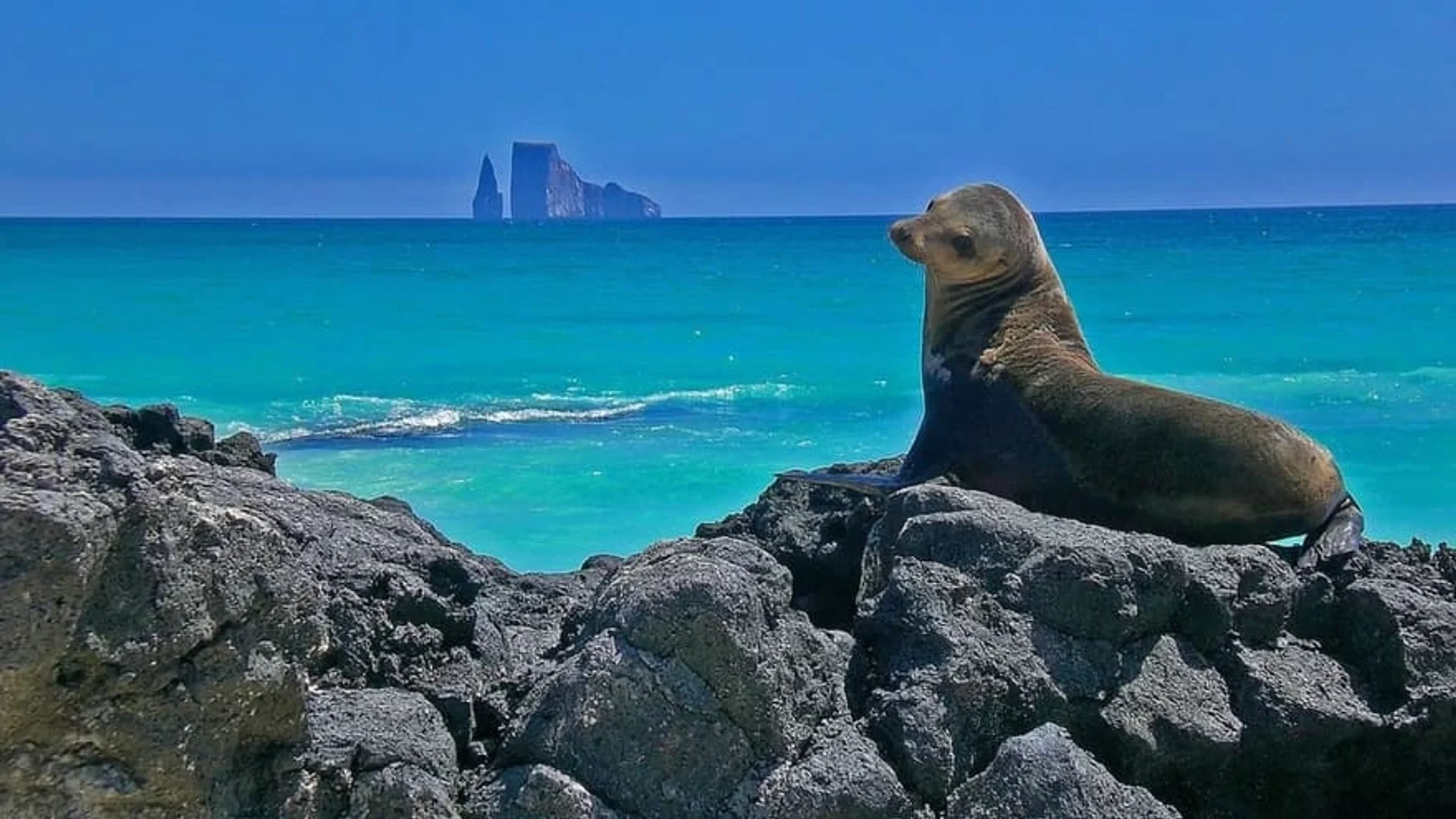
- Hammerhead shark aggregations at Kicker Rock (León Dormido) and Isla Wolf
- Galápagos penguin sightings (they breed around the equatorial islands)
- Marine iguana feeding dives in shallow coastal reefs
- Sea conditions: moderate swells and mist (garúa season) — not ideal for sunbathing, but exceptional for snorkeling and wildlife density
The Warm Season (December–May): Best for Calm Waters and Courtship
From December to May, the Panama Current brings warm water (24–28°C) and calmer seas. This is the breeding season for most Galápagos land birds:
- Blue-footed booby courtship dances on North Seymour and Hood Island
- Giant tortoise nesting at Rancho Primicias on Santa Cruz
- Marine iguana egg-laying in sandy beaches
- Calmer, turquoise seas perfect for families with children
Galápagos Wildlife That Is Present Every Month
Regardless of season, every visit to the Galápagos guarantees encounters with:
- Wild giant tortoises at Rancho Primicias (Santa Cruz highlands)
- Marine iguanas on virtually every rocky shoreline
- Galápagos sea lions hauled out on docks, beaches, and benches
- Blue-footed boobies on North Seymour, Española, and Santa Fé islands
- Frigatebirds with their brilliant red throat pouches (breeding Oct–Mar)
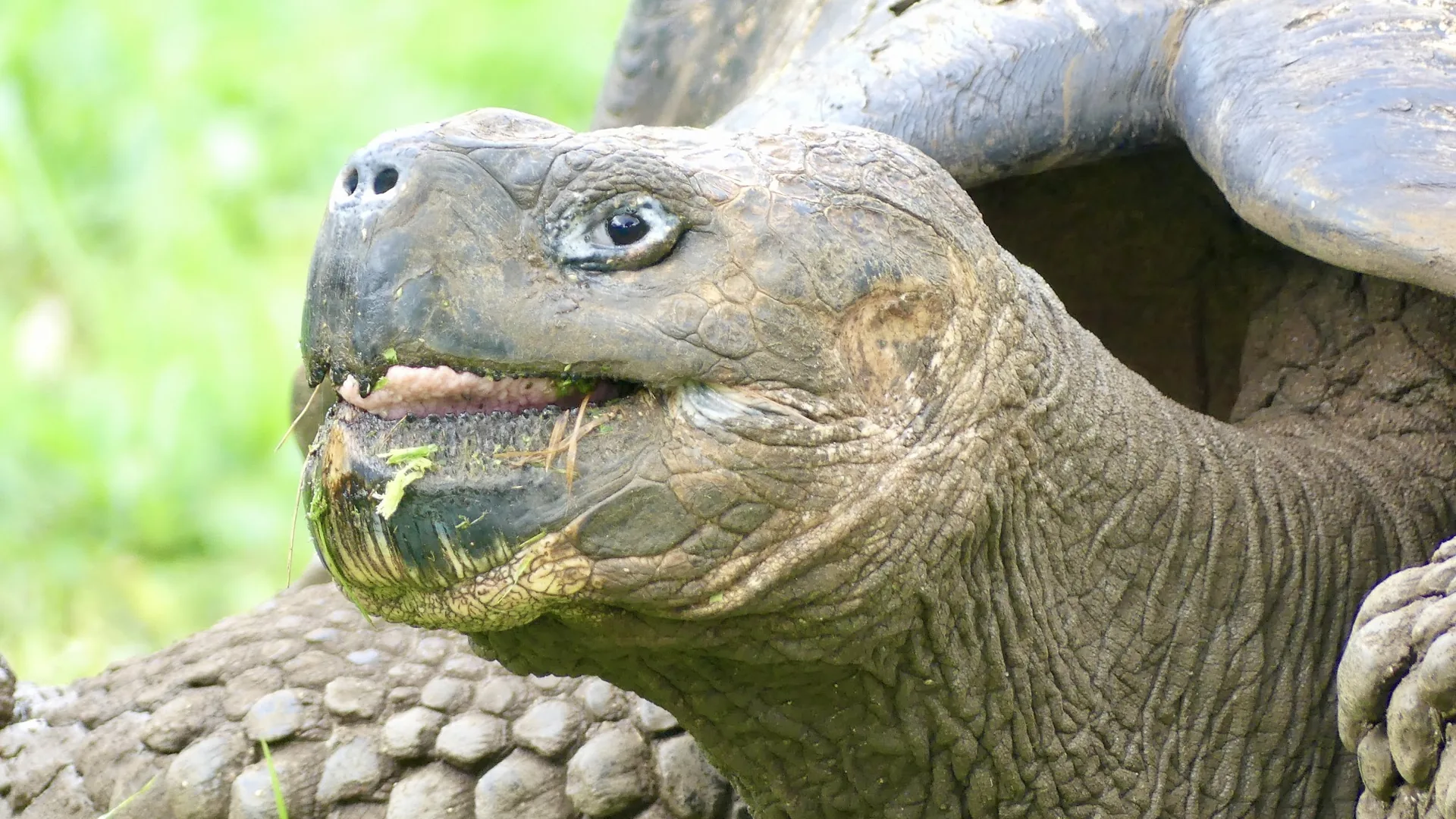 Century-Old Giant Tortoises in the Santa Cruz Volcanic Highlands
Explore this landmark on our bespoke itineraries featuring private transfers and certified bilingual naturalists.
Plan your Galápagos expedition →↗
Ecuador Region Quick-Reference Season Table
| Region | Best Months | Good Months | Notes |
|---|---|---|---|
| Andes | Jun–Aug | Dec | Dry season, clear volcano views |
| Amazon | Year-round | — | Rain is part of the experience |
| Pacific Coast | Jun–Nov | Jan–May | Whale watching Jun–Sep |
| Galápagos | Jun–Nov (cool) & Dec–May (warm) | — | Wildlife present all 12 months |
Planning Tips from 25 Years in the Field
After guiding thousands of travelers through every corner of Ecuador, here are the most important timing considerations:
2. Book Galápagos hotels and tours 3–4 months ahead in July–August and December–January, as boutique accommodation is limited.
3. Never let weather be a dealbreaker. I've had spectacular wildlife encounters in the Amazon in every month of the year. Bring quality rain gear and embrace the conditions.
4. April–May and September–October are Ecuador's secret shoulder seasons: excellent weather, fewer tourists, better rates.
5. Altitude acclimatization: If you arrive in Quito (2,850 m) from sea level, give yourself 24–48 hours before heading to higher elevation destinations like Cotopaxi (3,500 m trailhead) or Chimborazo (5,100 m base camp).
Ready to Plan Your Ecuador Expedition?
Whether you're drawn to the icy peaks of the Andes, the prehistoric wildlife of the Galápagos, the dense biodiversity of the Amazon, or the breaching whales of the Pacific Coast, Vermilion Routes designs private, fully-guided Ecuador itineraries with boutique accommodation, bilingual naturalist guides, and seamless logistics.
Plan your Ecuador expedition →↗ Contact our team to start planning →↗
Frequently Asked Questions
Expert travel answers & verified destination planning insights
Q1.Is Ecuador a year-round destination?
Yes. Ecuador's four main regions each have their own microclimate. The Galápagos and Amazon can be visited any month of the year. The Andes are most scenic from June to August during the dry season, while the Pacific Coast peaks between June and November. With smart trip planning, you can combine multiple regions into one seamless journey regardless of when you travel.
Q2.What is the best month to visit the Ecuadorian Andes?
July and August are the standout months for the Andes. This is the dry season (verano) when skies are consistently clear above 2,500 m. Cotopaxi, Chimborazo, and Quilotoa crater reflect perfectly in still mountain lakes. Quito's outdoor markets and highland festivals are at peak activity. December also offers clear windows but is punctuated by festivals and New Year celebrations.
Q3.Does it rain a lot in the Ecuadorian Amazon?
Yes, rain is a constant feature of the Amazon rainforest — but it is part of the experience, not a problem to avoid. Brief afternoon downpours refresh the air and intensify the forest sounds. The Amazon operates year-round for wildlife encounters: pink dolphins, giant otters, rare birds, and indigenous communities are accessible every month. February–April (flooding season) lets you paddle by canoe directly under the forest canopy for a magical flooded forest experience.
Q4.When is the dry season on the Ecuadorian Pacific Coast?
The dry season on the Ecuadorian Pacific Coast runs from June to November. During this period, skies are clearer and rainfall is minimal. This is also peak season for humpback whale watching (June–September), when hundreds of whales migrate through the waters off Puerto López and Machalilla National Park. Montañita's surf is at its best from June to October due to consistent swells from the south.
Q5.Is Galápagos worth visiting in December?
Absolutely. December marks the start of the warm season in Galápagos (December–May), with sea temperatures rising to 24–28°C, calmer waters, and lush green vegetation. Giant tortoises, marine iguanas, sea lions, and blue-footed boobies are present and active year-round. The main trade-off is slightly lower underwater visibility compared to the Humboldt-driven months (June–November), but snorkeling and swimming conditions are warmer and more comfortable for families.
Q6.What is Ecuador's high tourist season?
Ecuador has two high seasons: July–August (northern hemisphere summer, dry season in the Andes and Galápagos) and December–January (Christmas and New Year holidays, start of Galápagos warm season). Both periods see higher prices and fuller availability for boutique hotels and Galápagos spaces. Book at least 3–4 months in advance for July–August. The shoulder seasons (April–May and September–October) offer excellent conditions with fewer crowds and better rates.
Explore 300+ Verified Field Photographs
Browse high-resolution captures of endemic wildlife, volcanic landscapes, and authentic expedition moments.
Jhayro Ludeña
Lead Naturalist Guide & Head of Expedition Design
Vermilion Routes · Quito & Galapagos, Ecuador
“Born in the Ecuadorian Andes with over 15 years guiding private expeditions across the Galapagos Islands, the Amazon rainforest, and high-altitude volcanic trails. Specialized in field biology, endemic wildlife interpretation, and bespoke itinerary planning, officially certified by the Ministry of Tourism of Ecuador.”
Experience It Live: Private Expeditions in Ecuador Travel Guide
Turn inspiration into reality. Reserve tailor-made itineraries with private naturalist guides and dedicated 24/7 VIP concierge.
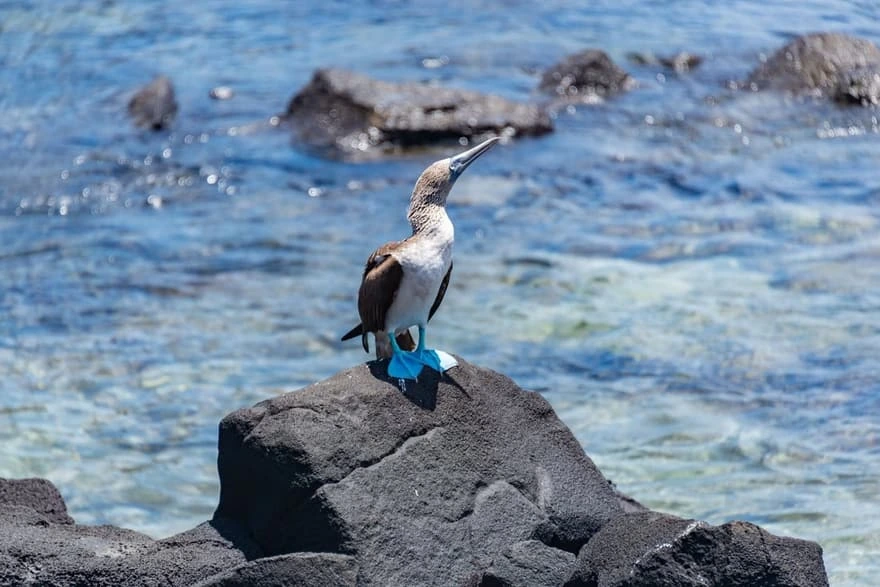
The Ultimate Ecuador & Galapagos Odyssey
12-day flagship expedition: Quito colonial city & Equator, Papallacta thermal springs, Tena Amazon lodge with motorized canoe & caiman lagoon, Paikawe giant fish reserve, Santa Cruz highlands & giant tortoises, Isabela Island flamingo lagoon & Tintoreras snorkeling, Las Grietas, and full-day yacht cruise to Santa Fe or Pinzón Island.
Galapagos Encounter: 6-Day Expedition (With Quito Transfers)
Comprehensive 6-day Galápagos journey featuring private airport transfers in Quito, Santa Cruz highlands, giant tortoises at Primicias Ranch, full-day Isabela Island speedboat excursion with Tintoreras snorkeling and flamingo lagoon, and coastal exploration at La Lobería, Punta Estrada and Las Grietas.
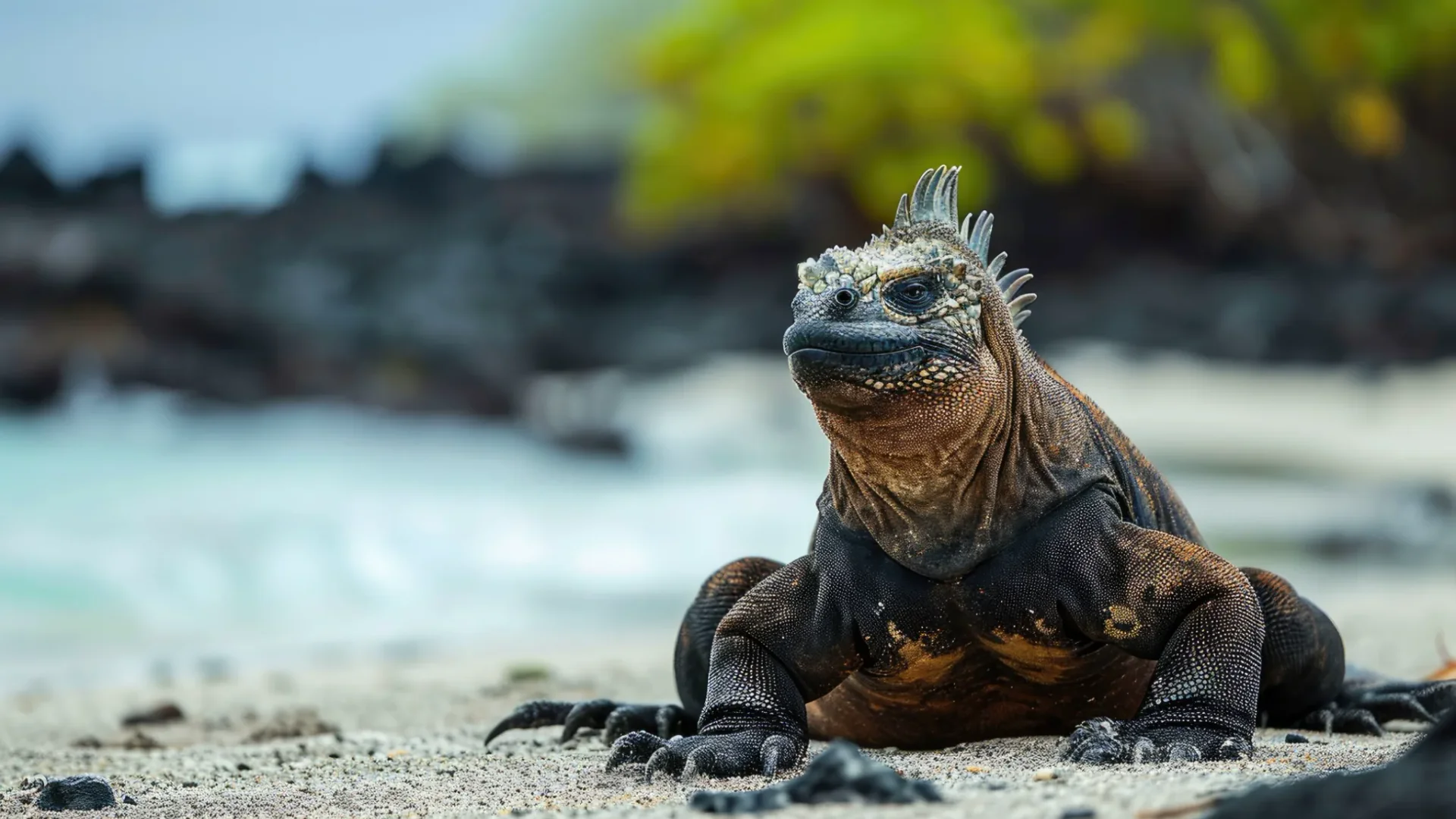
Galapagos Explorer: 7-Day Island Expedition (With Quito Transfers)
Unforgettable 7-day journey connecting Quito private transfers, Santa Cruz highlands & giant tortoises, an overnight stay on Isabela Island with Tintoreras & flamingo lagoon, Las Grietas canyon, and a full-day navigable yacht excursion to Santa Fe or Pinzón Island.
Looking for a 100% custom itinerary in Ecuador Travel Guide?
Tell us your dates and travel style. Our specialist designers will craft your private proposal within 24 hours.
Destinations in this article
The Ultimate Ecuador & Galapagos Packing List 2026
Curated by our expert naturalist guides. Sent directly to your inbox.
No spam. Unsubscribe anytime.